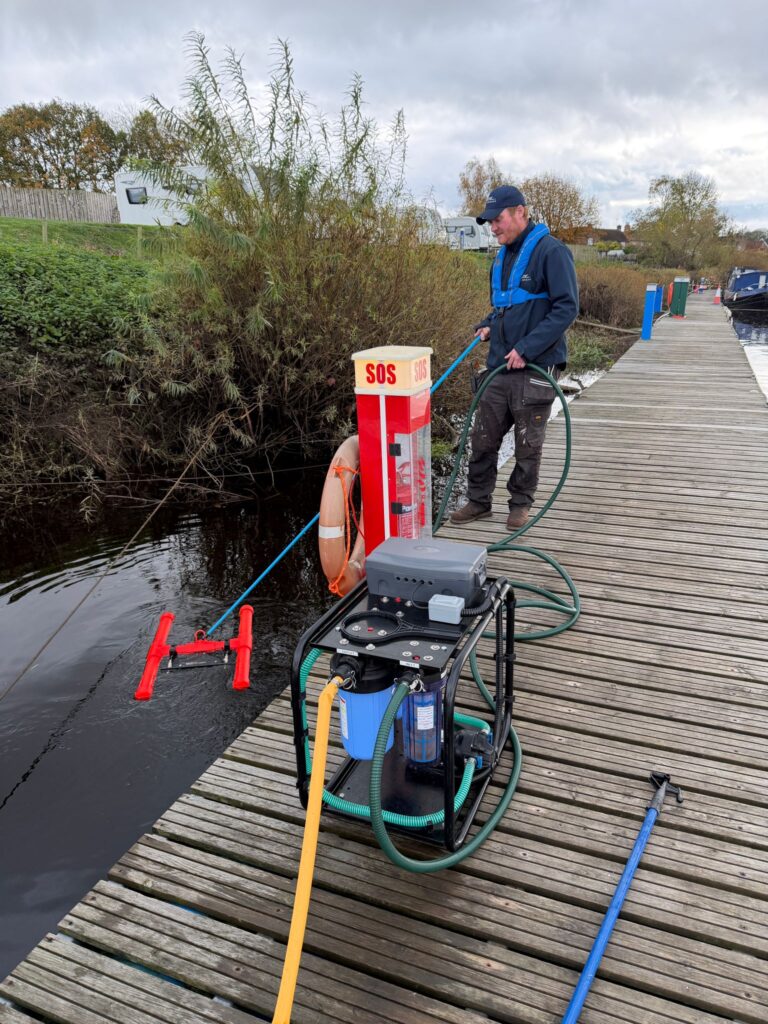

When untreated bilge water is discharged into the sea, it is often seen as an unsightly toxic film on the water’s surface. But more critically, the danger is from the unseen pollution such as chemical substances that can be toxic to aquatic organisms and affect water quality, as well as micro fibres and micro plastics released from synthetic materials, coatings and onboard equipment such as ropes, clothing and furnishings.
These pollutants damage marine habitats, harm fish and invertebrates, disrupt aquatic food chains and contaminate sediments. Oil and fuel residues can also affect seabirds and other wildlife, while persistent chemicals and microplastics accumulate in marine ecosystems. Even relatively small quantities of contaminated water can contribute to cumulative pollution, particularly in marinas, harbours and enclosed coastal waters where pollutants can build up. Effective filtration of bilge water before it is emitted overboard prevents these contaminants from entering the marine environment.
What is grey water?
Grey water on a vessel is wastewater generated by everyday activities on board, excluding sewage from toilets, which is known as black water. Grey water comes from sinks, showers, baths, galleys and on-board laundry facilities.
What does grey water contain?
- Soaps and detergents from washing dishes, clothes and people.
- Oils and grease from food preparation and washing up.
- Food particles and organic waste from galley sinks.
- Cleaning chemicals from household and onboard cleaning products.
- Personal care products such as shampoo, conditioner, toothpaste and cosmetics.
- Microplastics and fibres released from synthetic clothing during washing.
- Nutrients and bacteria from food residues, body washes and other domestic wastewater.
Why is grey water harmful to the marine environment?
Although it may look relatively clean, grey water can contain a complex mixture of pollutants.
- Chemical pollution: Detergents, cleaning agents and other chemicals can be toxic to marine organisms.
- Oxygen depletion: Organic matter can increase microbial activity, reducing dissolved oxygen in the water and potentially harming aquatic life.
- Nutrient enrichment: Nitrogen and phosphorus in some wastewater products can contribute to excessive algal growth.
- Microplastic pollution: Synthetic textile fibres can enter the marine food chain.
- Damage to sensitive habitats: Repeated discharges in marinas, harbours and enclosed waters can concentrate pollutants where water circulation is limited.
Some vessels will be fitted with grey water holding tanks, which need to be officially emptied in marinas or ports. However many vessels simply discharge grey water overboard, which puts pollutants directly into the waterways.
In order to save the space and weight of having to store grey water onboard, filter systems such as the Wavebrite ensure only clean which will filter grey water and ensure only certified clean water is emitted.
What does 5 ppm Oil in Water mean, and what are the regulations for overboard discharge?
When discussing overboard pollution, the terminology “parts per million” is often discussed. But what does this actually mean, and how can boaters ensure they are not breaking the law? First of all, let’s put it into context. The measure of 5 ppm is equivalent to approximately one teaspoon of oil dispersed through 1,000 litres of water. That’s one teaspoon in a cubic metre of water.
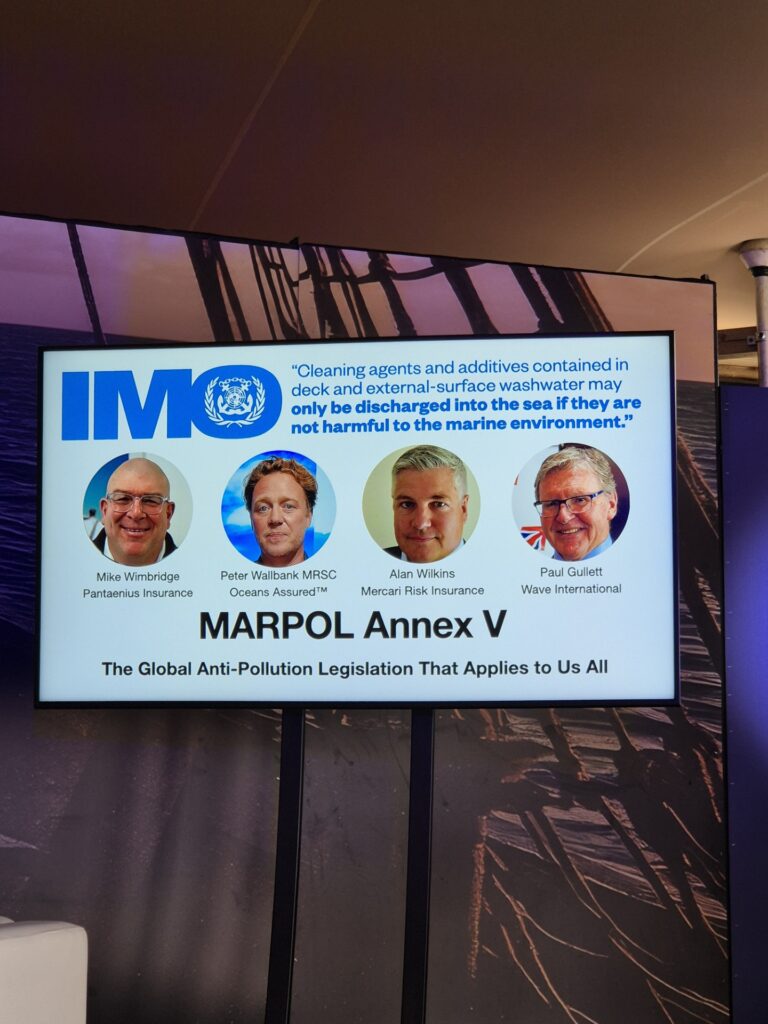
The International Maritime Organization’s MARPOL Convention, Annex I, sets 15ppm as the oil- content limit for permitted discharges of bilge water from vessels that come under the MARPOL regulations. In some areas of the world, such as for inland waterways, in ports and in some countries, such as Canada, emissions standards are stricter.
This can include marine protected areas, of which there are more than 17,000 worldwide, covering approximately 10% of the global ocean, and Sites of Special Scientific Interest (SSSIs) created to protect important marine habitats and species.
Wave International’s bilge filters and oily water separators are all designed to meet the most stringent 5ppm standards, ensuring that all pollutants including diesel, lubricating oil, hydraulic fluids, cleaning products and other contaminants such as paint particles, microfibres and microplastics are captured in the filter and only clean water to the highest standard of 5ppm is emitted overboard.