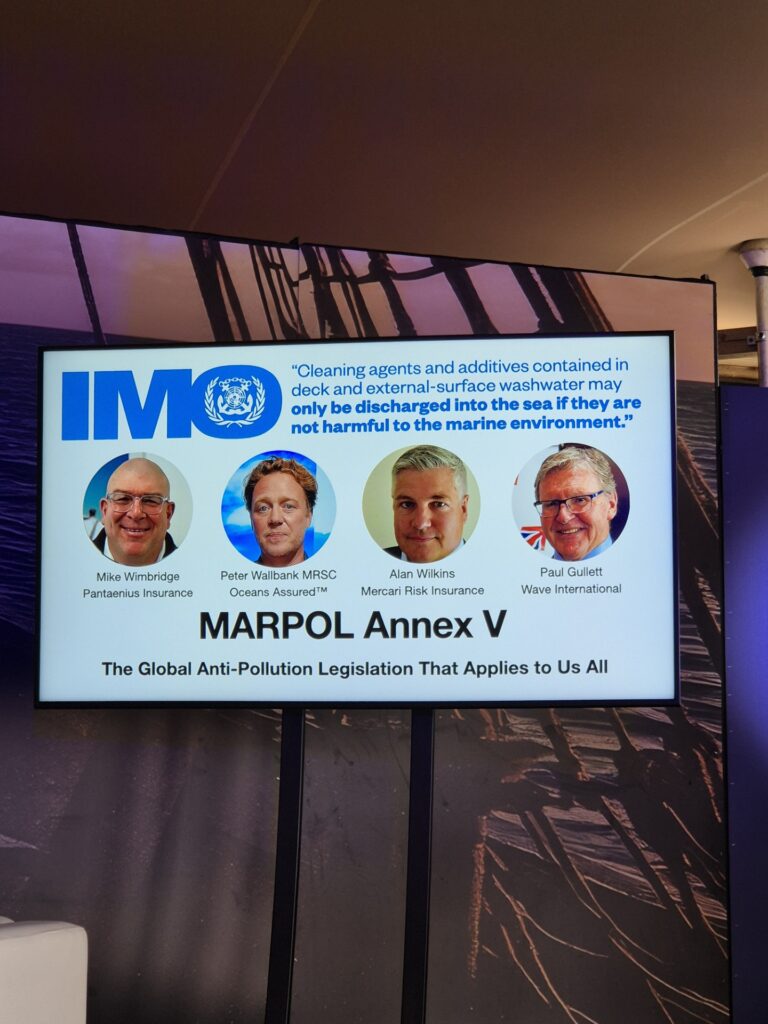

MARPOL is the primary International Convention for the Prevention of Pollution from Ships, established by the International Maritime Organization (IMO). It covers the prevention of marine pollution from operational or accidental causes across six technical annexes, spanning oil, sewage, air pollution, and garbage.
MARPOL Annex V regulates the disposal of garbage from all ships, including leisure craft, yachts, and smaller recreational boats.
MARPOL Annex V places a total ban on discharging plastics anywhere into the sea and severely restricts the disposal of all other operational and domestic waste. A common misconception is that MARPOL only applies to large commercial ships. In reality, it applies to all vessels of any size and businesses operating in the marine environment, including non-commercial yachts, small recreational boats, harbour authorities and marina operators.
This means there are specific legal and operational responsibilities:
● Zero Plastic Discharge: No plastic of any kind can be thrown overboard anywhere.
● Deck and Hull Washdowns: Under MARPOL Annex V, any cleaning agents, detergents, or additives that enter the sea via deck and external surface wash water must be certified as Non-Harmful to the Marine Environment (Non-HME).
Insurance Risks: Using non-compliant, harsh chemicals that run off into the water can be considered an illegal operational discharge, potentially voiding your marine insurance policy. This also means that any overboard oil or other contaminants emitted from vessels could be seen as contravening MARPOL Annex V. A leading UK company states: “No insurance policy will cover an illegal act. This is the law.”
● Placards and Planning: Vessels over 12 meters must display placards notifying the crew and passengers of disposal requirements. Vessels over 100 gross tonnage (GT) or carrying 15 or more passengers must carry a formal Garbage Management Plan and a Garbage Record Book.
How does MARPOL Annex V impact marinas and boatyards?
While MARPOL is technically directed at vessels rather than land-based businesses, marinas and
boatyards are bound by its criteria through domestic legislation and regional rules.
● Adequate Reception Facilities: Under Annex V, governments must ensure that marinas, ports, and harbors provide adequate garbage reception facilities capable of handling the waste from visiting vessels without causing undue delay.
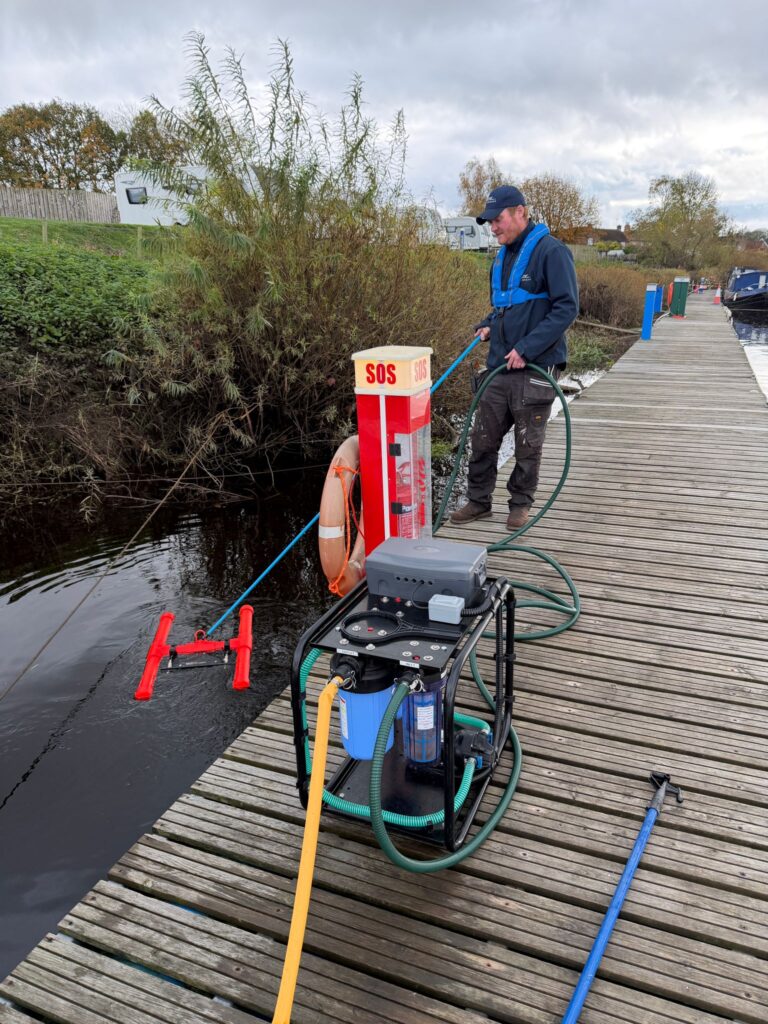
● Run-off Management: Because major hull and deck washdowns happen within marina basins, the run-off water enters the immediate marine environment. Marinas are increasingly required to provide washdown areas where wastewater can be contained, filtered, or treated to prevent chemicals, heavy metals, and microplastics from entering the harbor.
● Best Practice Enforcement: Marinas act as the first line of defense. Many now mandate the use of eco friendly, non-HME cleaners and integrate filtration systems—like bilge and washdown filters—into their standard operational guidelines.